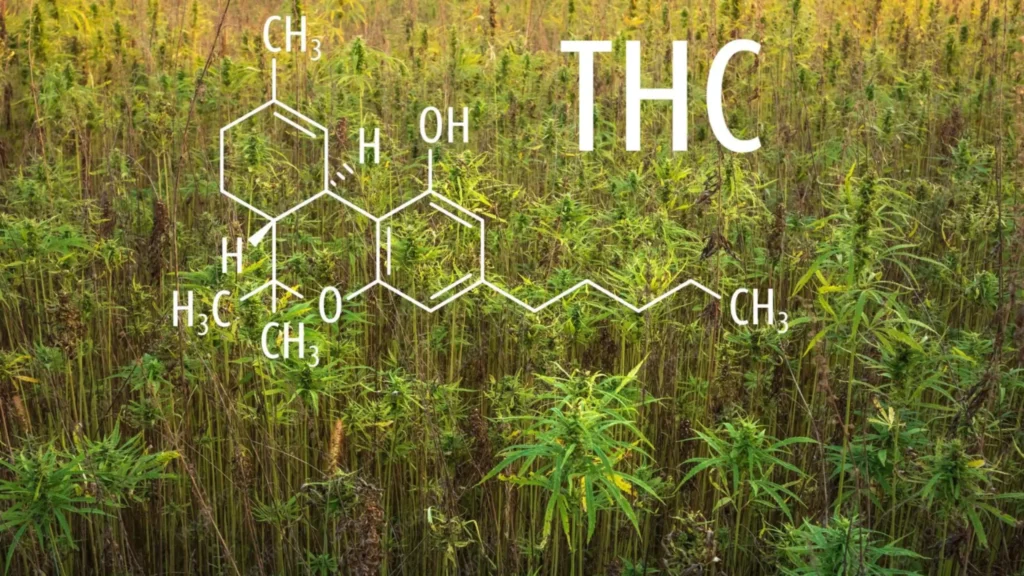
If you have spent any time researching cannabis, you have probably come across the term THC more times than you can count. Some people associate it with relaxation, others with wellness trends, and some simply know it as the compound responsible for the “high” linked to marijuana.
But THC is more complex than most headlines make it sound.
At CBD Southlake in Southlake, Texas, we regularly meet customers who are curious about THC but still unsure what it actually is, how it works, or how it differs from CBD and other hemp derived cannabinoids.
So let’s break it down in a practical, honest way without the confusing science lecture.
What Is THC
THC stands for tetrahydrocannabinol, one of the primary cannabinoids naturally found in cannabis plants. It is best known for producing psychoactive effects, meaning it can create the feeling commonly referred to as a high.
THC interacts with the body’s endocannabinoid system, specifically receptors connected to mood, perception, appetite, and relaxation.
In simple terms, THC changes the way certain signals are processed in the brain and body.
That is why experiences can vary so much from person to person.
Where THC Comes From
THC is mainly associated with marijuana plants, although hemp plants can also contain small amounts under federal legal limits.
Interestingly, raw cannabis plants do not actually contain large amounts of active THC immediately. Instead, they contain THCA, which is a non intoxicating precursor compound.
When heat is applied through smoking, vaping, or cooking, THCA converts into THC through a process called decarboxylation.
It sounds technical, but the idea is straightforward. Heat activates the compound.
How THC Affects the Body
THC affects everyone differently depending on factors like body chemistry, tolerance, dosage, and environment.
Some people describe feeling relaxed or uplifted. Others report heightened sensory perception, increased appetite, or a calmer mood.
At lower amounts, THC may feel mild and manageable. At higher levels, the effects can become more intense.
That is why education and responsible use matter so much.
One thing we often explain at CBD Southlake is that there is no universal THC experience. Two people can use the same product and describe completely different effects.
THC vs CBD: What Is the Difference
This is probably the most common question we hear.
Both THC and CBD come from cannabis plants, but they interact with the body differently.
THC is psychoactive and associated with euphoric effects.
CBD is non intoxicating and often used in wellness focused routines.
CBD does not produce the same high linked to THC.
Many customers exploring hemp derived wellness products in Southlake are surprised to learn how different these cannabinoids actually feel despite coming from the same plant family.
Common Types of THC
THC is not just one single compound anymore. As cannabis research and hemp products have expanded, several THC related cannabinoids have gained attention.
Delta 9 THC
This is the traditional and most recognized form of THC associated with marijuana.
Delta 8 THC
Delta 8 is often described as milder than Delta 9. Many users report a more subtle experience, though effects still vary.
Delta 10 THC
Delta 10 products are sometimes associated with more uplifting or energizing experiences compared to other THC variants.
At CBD Southlake, customers frequently ask about the differences between these cannabinoids because product labels can feel overwhelming at first.
How THC Products Are Commonly Used
THC products now come in many forms.
Flower products
Vape cartridges
Edibles and gummies
Tinctures and oils
Capsules
Each format affects onset time and duration differently.
For example, inhaled products tend to act faster, while edibles often take longer to kick in but may last longer.
Understanding these differences helps consumers make more informed decisions.
Why Lab Testing Is Important
This part is extremely important.
Not all THC products are created equally. Reputable companies rely on third party lab testing to verify cannabinoid content, purity, and compliance.
Lab reports help confirm:
- THC levels
- CBD content
- Absence of harmful contaminants
- Product consistency
At CBD Southlake, transparency is one of the biggest things customers care about, especially with hemp derived products.
People want to know what they are actually buying, and honestly, they should.
THC Laws in the United States
Cannabis laws in the U.S. continue to evolve, and they vary by state.
Some states allow recreational marijuana use. Others permit only medical cannabis programs. Hemp derived cannabinoids may also fall under different regulations depending on local laws.
In Texas, hemp derived products must comply with federal hemp guidelines, including THC concentration limits.
This legal landscape changes frequently, which is why staying informed matters.
Potential Side Effects of THC
While many people use THC products responsibly, side effects are possible, especially at higher amounts.
- Dry mouth
- Drowsiness
- Temporary anxiety
- Increased heart rate
- Impaired coordination
That is why starting slowly and understanding your tolerance is important.
A lot of beginners make the mistake of assuming more equals better. Usually, it just equals stronger effects than expected.
Why THC Education Matters
Cannabis conversations have changed dramatically over the last few years. People are no longer just asking whether THC exists. They want to understand how cannabinoids work, how products differ, and what responsible use actually looks like.
That shift toward education is a positive thing.
At CBD Southlake, we believe consumers should feel informed, not overwhelmed. Clear information builds trust and helps people navigate hemp and cannabis products more confidently.
Final Thoughts
THC is one of the most talked about cannabinoids for a reason. Its effects, history, and growing presence in modern cannabis culture make it an important topic for anyone exploring hemp derived products.
But understanding THC goes beyond simply knowing it creates a high. It involves learning how cannabinoids interact with the body, how product types differ, and why quality and transparency matter.
If you are exploring hemp derived wellness products or cannabinoid education in Southlake, Texas, visiting a trusted local source like CBD Southlake can help you make more informed decisions without the confusion often found online.
Because when it comes to cannabinoids, knowledge matters just as much as the product itself.
FAQs
THC stands for tetrahydrocannabinol, the primary psychoactive cannabinoid found in cannabis plants.
No. THC is psychoactive and can create a high, while CBD is non intoxicating and commonly used in wellness products.
Texas laws vary depending on the type of THC product and its source. Hemp derived products must meet federal THC limits.

Co-Founder, CBD Southlake | Wellness Educator & Hemp Product Specialist
Sam Patel is the Co-Founder of CBD Southlake and a wellness educator with extensive experience helping consumers understand CBD, hemp-derived products, cannabinoids, and responsible product use. He specializes in cannabinoid education, product selection, and wellness-focused content designed to help customers make informed decisions.